BRAND STRATEGY / HOW I THINK
Brand Strategy Framework
Seven decisions that turn brand into business growth.
Brand strategy starts with understanding the business, knowing the customer, and finding the advantage only your company owns.
After two decades working with startups and global brands, I've learned that the strongest strategies do more than define positioning. They shape how companies build products, connect with customers, enter markets, and grow.
This is my practical framework for moving from business challenge to brand-led growth.
Brand is an operating system for growth.
By Ryan Stoner · Brand strategist, creative operator, and business growth advisor
What is a brand strategy framework?
A brand strategy framework is a structured way to make the decisions that define how a business competes, connects with customers, and creates value.
It brings clarity to who you serve, what makes you different, what you promise, and how that promise shows up across the business.
The outcome should be bigger than a positioning statement or brand guidelines. A strong strategy influences product, customer experience, marketing, and growth.
Know the customer. Know the magic. Connect the two.
The strongest brands connect a meaningful customer truth with a credible business advantage. I look for what people need and what the company can deliver better than the alternatives. That connection gives positioning a purpose and the business a direction.
STEP 01
Define the business problem
Key question: What business problem are we solving, and what does success look like?
Start with what needs to change in the business. Growth, relevance, differentiation, trust, or adoption. Establish the business objective before writing the brand statement.
Output: A clear business challenge and definition of success.
STEP 02
Find the customer truth and category tension
Key question: What matters to our customer that competitors have failed to address?
Understand what your audience values, what's frustrating them, and what the competitive category takes for granted. Look for the opportunity others overlook.
Output: Priority audience, customer insight, and competitive opportunity.
STEP 03
Make a positioning choice
Key question: What do we want to own in the customer's mind?
Decide what the brand will stand for, whom it will serve, and why someone should choose it. Strong positioning requires trade-offs. Trying to appeal to everyone weakens the strategy.
Output: Positioning statement and strategic choices.
STEP 04
Build the brand promise and proof
Key question: What promise will we make, and how will we prove it?
Connect the company's strengths with something the customer values. Make a promise grounded in the product, experience, or behavior. Give people a reason to believe.
Output: Brand promise, supporting proof points, and core belief.
STEP 05
Turn positioning into brand behavior
Key question: How should our positioning change what we do?
Translate strategy into how the company operates. Connect positioning with product decisions, customer experiences, messaging, identity, and everyday interactions.
Output: Brand principles, messaging architecture, and experience guidelines.
STEP 06
Build the go-to-market system
Key question: How will we consistently bring our strategy to market?
Connect the right audiences, messages, channels, and moments. Every interaction should reinforce the same strategic idea while supporting a measurable business objective.
Output: Go-to-market priorities, channel strategy, and activation roadmap.
STEP 07
Measure, learn, and evolve
Key question: What evidence tells us the strategy is working?
Evaluate whether the strategy changes customer perceptions and behaviors. Track brand health alongside acquisition, conversion, retention, and commercial results.
Output: Brand and business scorecard with a regular learning cycle.
The one-page brand strategy template
A useful brand strategy should be clear enough to explain on one page. Before developing campaigns, messaging, or identity systems, align the team around these eight decisions.
- 01Business challenge
- What needs to change?
- 02Target audience
- Whom are we trying to reach?
- 03Customer tension
- What unmet need or frustration matters?
- 04Category opportunity
- Where is the competitive whitespace?
- 05Positioning
- What should we be known for?
- 06Brand promise
- What value do we consistently deliver?
- 07Reasons to believe
- What evidence supports our promise?
- 08Success measures
- How will we evaluate progress?
Common traps: defining the audience as “everyone,” treating an aspiration as proof, confusing a slogan with positioning, and waiting until after launch to decide how success will be measured.
Brand strategy in practice
Frameworks only matter when they change decisions. Here's how strategic clarity translates into positioning, execution, and business results.

T-Mobile: Positioning that changed category behavior
The Un-carrier strategy challenged wireless industry conventions by eliminating two-year contracts, overages, and forced upgrade cycles. Positioning became a series of customer-facing business decisions.
Strong positioning becomes more credible when the business acts on it.
T-Mobile: The Un-carrier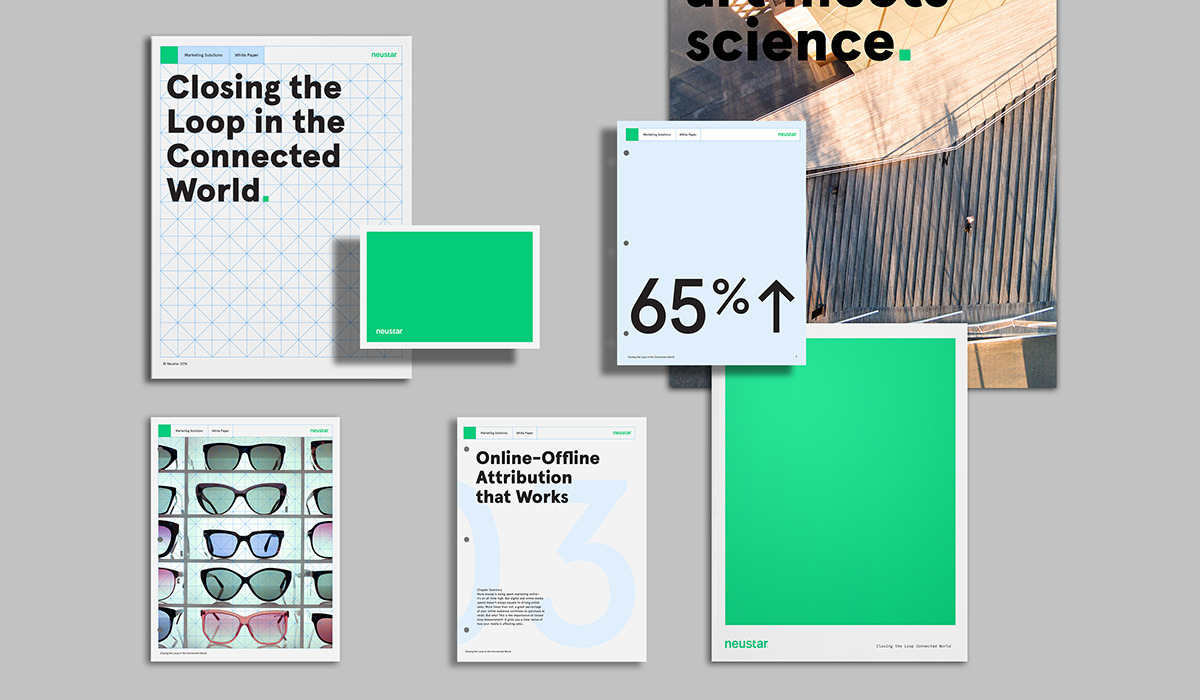
Neustar: Clarity that improved commercial performance
Clearer positioning and messaging made complex technology easier for customers and sales teams to understand. A new customer value proposition and modular sales materials gave teams a more consistent way to communicate the offering.
A clearer story helps customers understand why a business matters.
Neustar Brand Transformation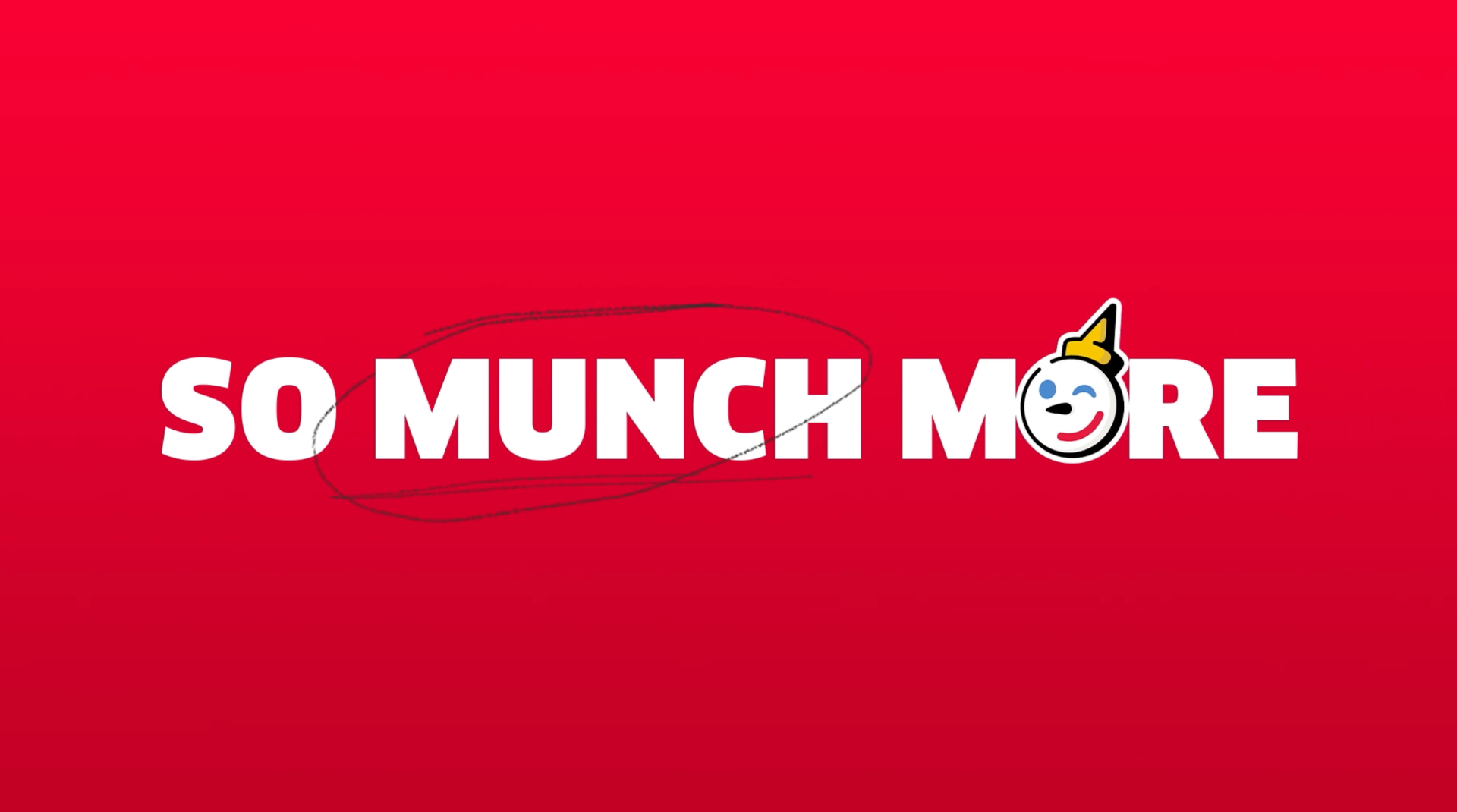
Jack in the Box: A brand platform built to scale
The “So Munch More” platform connected a simple customer insight with a distinctive brand voice. It gave TV, social, and digital work a shared creative idea that could scale across channels.
A useful brand platform creates consistency without limiting creativity.
Jack in the Box: So Munch MoreCommon questions about brand strategy
What is a brand strategy framework?
A brand strategy framework is a structured process for deciding who a business serves, what makes it different, what it promises, and how those choices guide growth. The outcome should influence product, marketing, experience, and business decisions.
What is the difference between brand strategy and brand positioning?
Brand strategy defines the broader set of choices guiding the business. Brand positioning establishes the specific place the brand intends to own in the customer's mind. Positioning is one essential part of the overall strategy.
How do you build a brand strategy from scratch?
Start with the business problem. Study the audience and competition. Identify your advantage, choose a position, establish a credible promise, and translate those decisions into how the business operates and goes to market.
How do you know whether a brand strategy is working?
Measure customer understanding, awareness, consideration, preference, and trust. Connect those indicators with commercial outcomes such as acquisition, win rate, retention, and revenue growth.